World War II Bread - (1939-1945)
During the second world war, the shortage lessons from the first world was were still fresh in peoples minds. After the Dunkirk evacuation from 37 May to 4 June 1940, it became apparent that a lengthy war was starting. Plans for farming and rationing were introduced very quickly, along with a Ministry of Food and Farming.
The "Dig for Victory" campaign was introduced to turn gardens, parks and allotments into food production. Many golf courses and stately home gardens were also commissioned for food production. This all started in September of 1939 when the Growmore Bulletin No 1 was issued to encourage people to produce more food for their own use. Amongst other advise, it suggested that people keep chickens, goats and pigs in their gardens as well as growing more potatoes and vegetables. The "Dig for Victory" motto was first seen in early 1941.
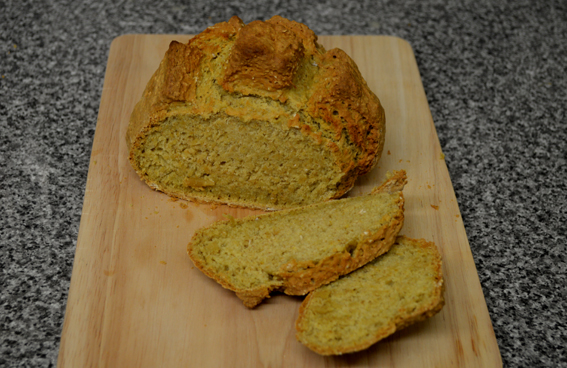 Soda Bread | 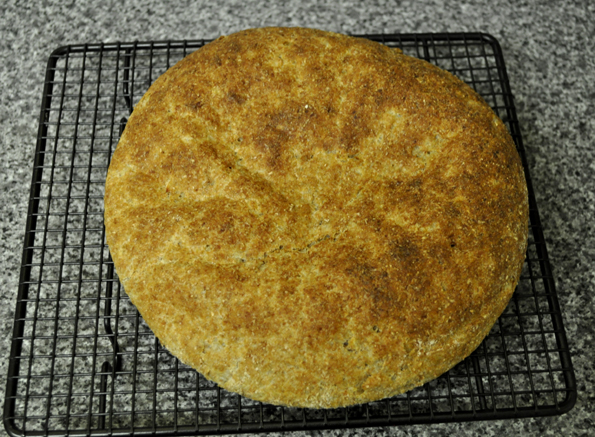 Potato Bread |
Many of the Great War recipies were used, like soda bread, potato bread and a variation of Bread and Jam pudding using butter and custard instead of jam. Bread and butter pudding was often made with currants when they were available.
The Women's Land Army which had been so effective in world war I was quickly re-established to support farmers and food producers. Farm inspections were also quickly started, ensuring that farms were maximising their food production yields in line with government expectations, and rationing quickly followed.
The Ministry of Food and Agriculture promoted recipes to improve the
national nutrition and economical use of food. One favourite
classic is the Grant Loaf, which was a way of simply baking economical
nutritional bread at home.
Download the following .pdf recipes
| Doris Grant Loaf |